July 20, 2026
Maintaining a clean, safe, and physically sound environment is a fundamental responsibility for any property owner or business manager. When hidden environmental hazards compromise the integrity of a commercial facility or residential building, addressing the problem swiftly prevents escalating operational costs and safety liabilities. Professional mold remediation protects your property assets, ensures regulatory compliance, and safeguards the daily well-being of everyone who steps through your doors.
1. Spotting Persistent Musty Odors and Air Quality Issues
One of the earliest and most reliable indicators of an underlying environmental issue is a distinctive, earthy scent that lingers despite regular cleaning and ventilation. When microscopic spores colonize damp structural materials, they release microbial volatile organic compounds that travel through shared ventilation systems. This persistent, unpleasant odor generally signifies that fungal growth is actively developing in a hidden area, such as behind your drywall panels, beneath the commercial carpeting, or inside the drop ceilings. Ignoring these subtle olfactory warnings allows the contamination to spread completely unchecked, slowly degrading your indoor air quality and creating a less welcoming environment for your daily visitors.
2. Detecting Higher Indoor Humidity Levels and Condensation
Excess moisture in the air acts as a direct catalyst for fungal proliferation, making strict climate control a vital component of structural maintenance. According to Fixr, indoor humidity levels above 45% can lead to conditions where mold colonies might start forming. When unconditioned, humid air comes into contact with cool interior surfaces like window panes, concrete foundation walls, or exposed metal plumbing fixtures, condensation forms rapidly. This localized accumulation of moisture creates the perfect breeding ground for airborne spores to anchor, feed, and multiply across nearby building materials. Implementing specialized structural drying and ambient humidity control helps keep your interior air within a balanced, safe, and legally compliant range.
3. Discovering Visible Surface Discoloration and Water Stains
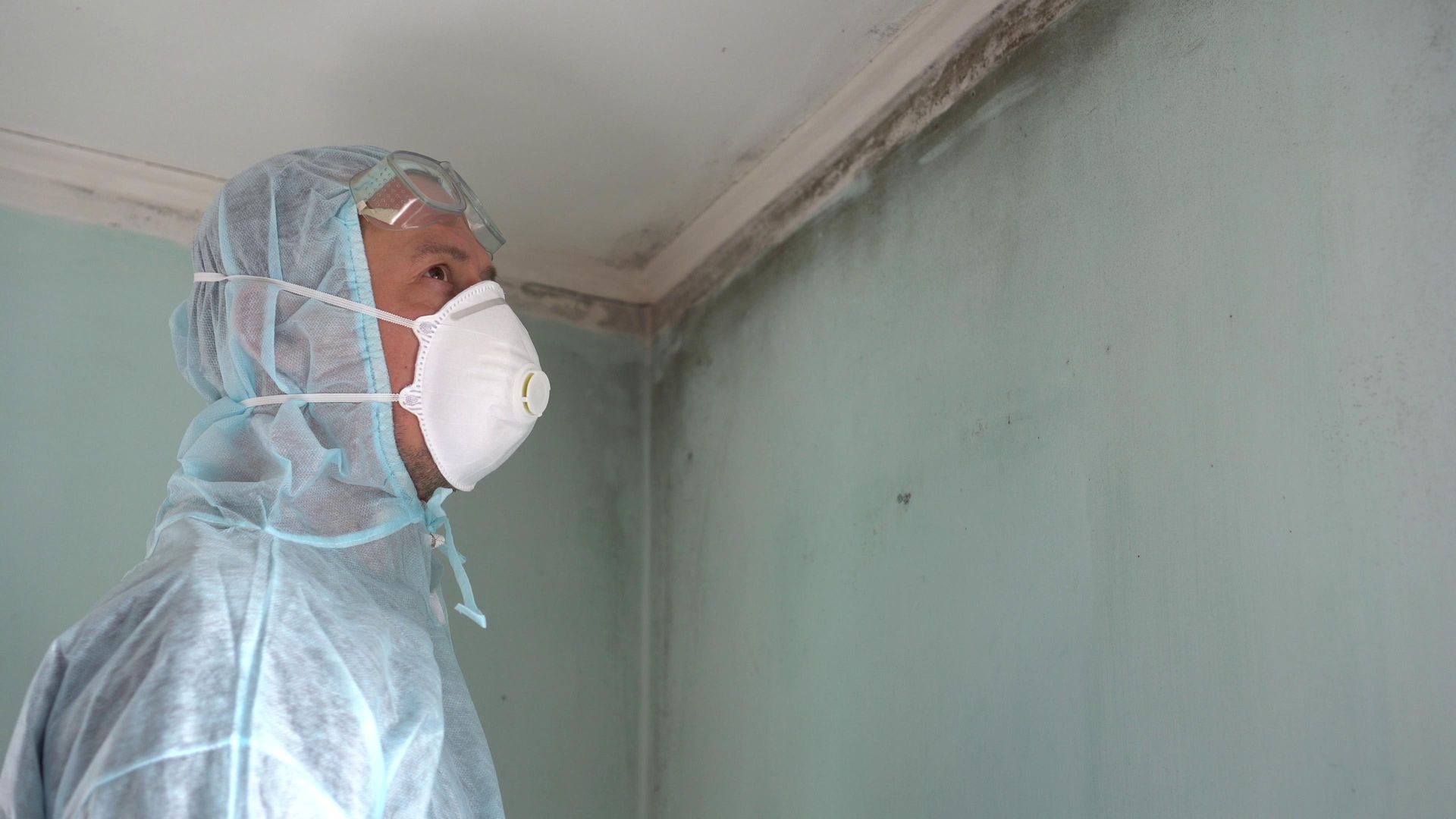
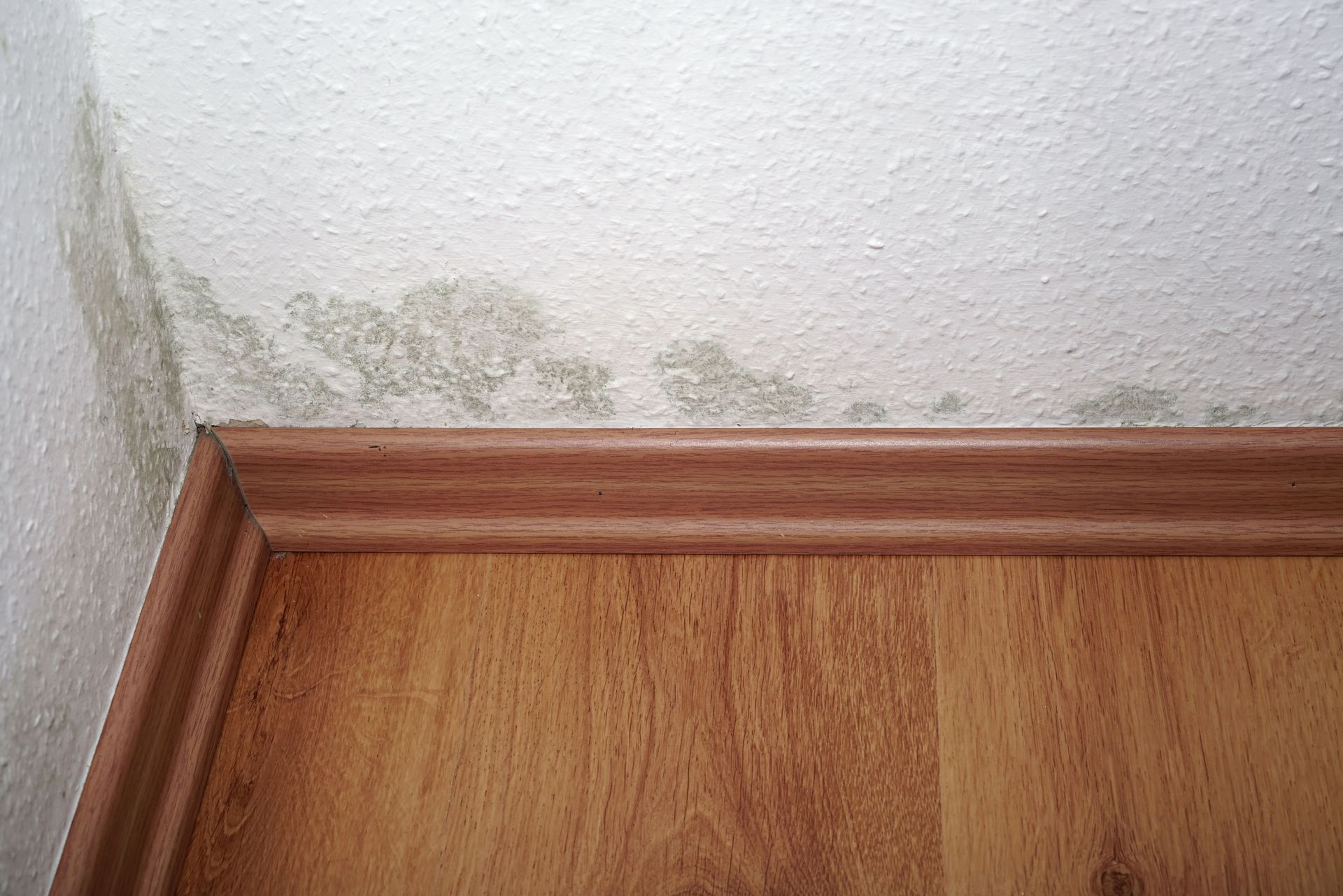
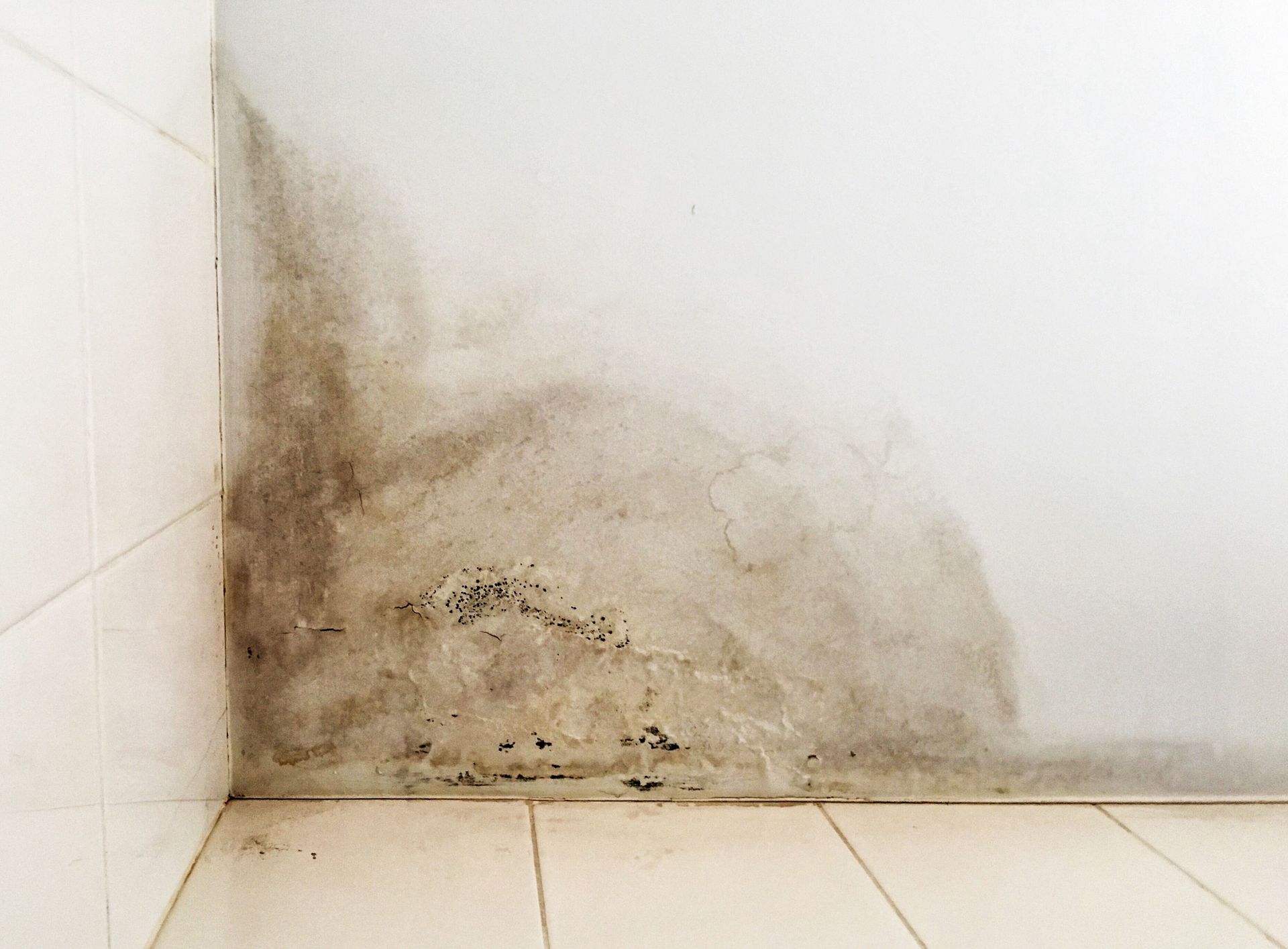
While some fungal growth remains obscured from view, visible surface staining is an undeniable sign that your property requires a formal assessment from certified restoration specialists. Fungal patches can manifest in a wide variety of colors, ranging from dark charcoal spots and deep green clusters to fuzzy white or yellow powdery deposits on porous surfaces. These visual blemishes often appear along basement walls, around ceiling tiles affected by roof leaks, or near baseboards that sit close to internal plumbing networks. Once a colony becomes large enough to be seen with the naked eye, a localized surface wipe-down is no longer sufficient, and comprehensive mold remediation becomes necessary to eradicate the deeply rooted root systems completely.
4. Reviewing a History of Past Unresolved Water Incidents
Properties that have previously experienced significant plumbing failures, flash flooding, sewer backups, or structural storm damage carry a much higher risk of developing persistent fungal issues. Even after standing water is extracted, moisture can easily remain trapped deep within wood framing, subfloors, and thick insulation layers if specialized drying equipment was not deployed immediately. This hidden, residual dampness creates an ideal incubator for dormant spores, which can quickly transform into a thriving colony in as little as forty-eight hours. Conducting periodic in-depth inspections across historically vulnerable areas ensures that past water events do not turn into silent, long-term structural threats.
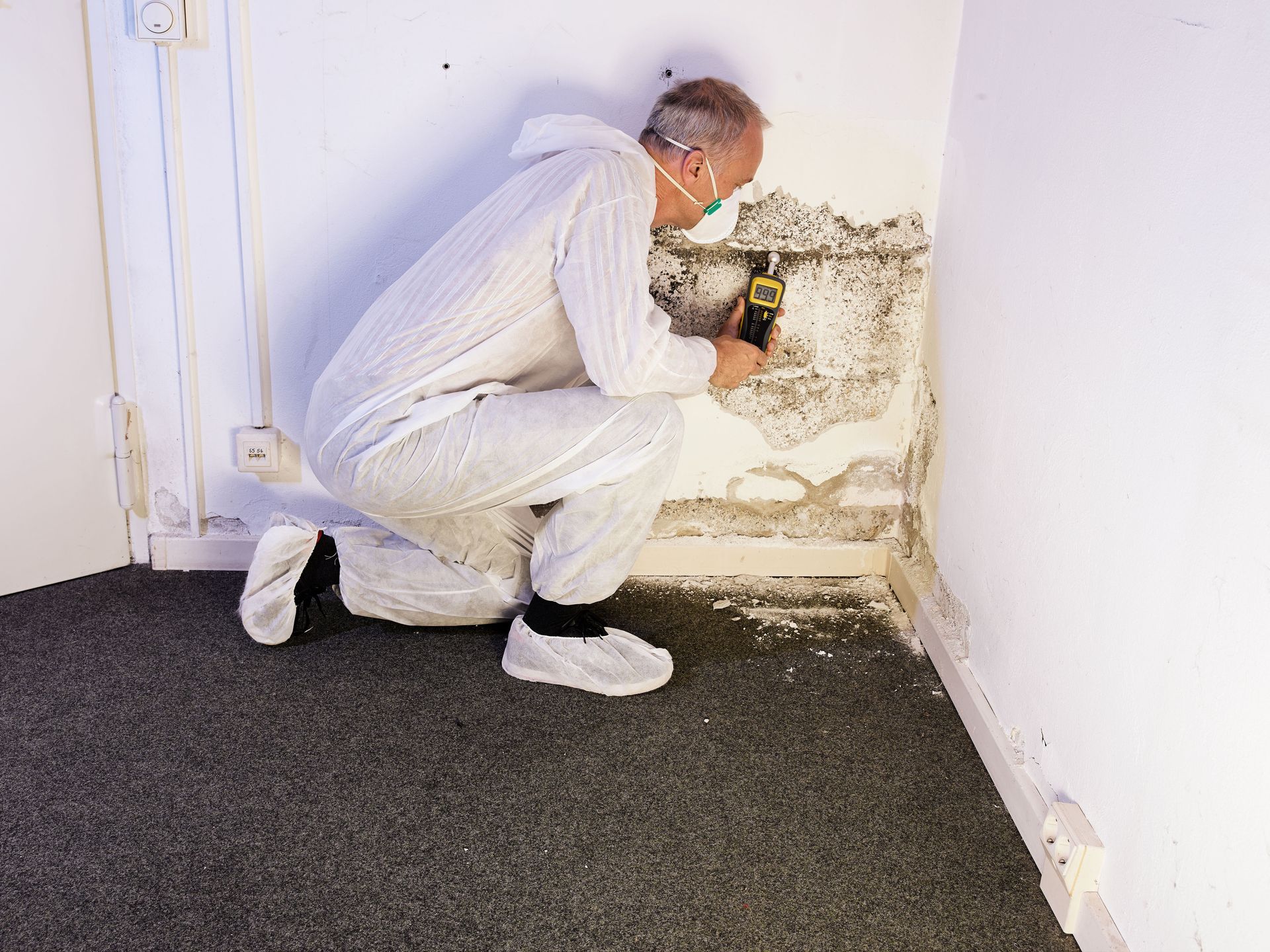
Because porous materials act like a sponge, moisture can quietly travel upward through interior walls via capillary action, entirely hidden from casual view. Without industrial-grade thermal imaging cameras and specialized moisture meters, this trapped saturation continues to rot internal supports from the inside out. Over time, the structural stability of the building becomes heavily compromised, leading to sagging floors and buckling drywall. By remaining vigilant and tracking your property’s history of water exposure, you can intercept these unseen hazards early. This proactive strategy prevents minor historical incidents from evolving into incredibly complex, budget-draining restoration projects down the line.
5. Observing Unexplained Physical Discomfort and Allergy Symptoms
The health and comfort of your occupants serve as a vital metric for the overall cleanliness and safety of your indoor environment. When employees, tenants, or customers frequently experience unexplained coughing, sneezing, skin irritation, or watery eyes while inside your facility, the building itself may be suffering from hidden contamination. If these physical symptoms consistently improve when individuals leave the property and worsen when they return, it strongly points to a localized air quality issue. Scheduling a professional air quality assessment and a comprehensive mold remediation consultation helps pinpoint the exact presence of airborne contaminants, allowing you to take definitive action to protect your community.
Proactively addressing these physical warning signs protects your business from dropping productivity levels, frequent employee absenteeism, and potential liability concerns. When a team operates in a clean, well-ventilated space, their morale and focus improve significantly.
Visitors notice when a building feels fresh and healthy, which strengthens their confidence in your overall operational standards. Instead of waiting for minor discomfort to escalate into a serious health complaint or a prolonged operational disruption, taking swift diagnostic action demonstrates a genuine commitment to occupant wellness. Ultimately, a healthy building fosters a thriving corporate culture and a highly successful customer experience.
6. Navigating the Technical Phases of Professional Mold Remediation Services
Successfully resolving a complex contamination issue requires a methodical, multi-phase approach performed by experienced, highly trained technicians. The process begins with a detailed visual assessment, moisture mapping, and advanced diagnostic testing from the foundation to the roofline to identify the true scope of the moisture source. Once the affected areas are mapped out, strict containment measures and negative air pressure systems are established to prevent microscopic spores from migrating to clean zones during cleanup.
Contaminated structural elements are safely removed, while salvageable materials undergo rigorous safe elimination treatments, antimicrobial cleaning, and detailed structural drying. Finally, preventive treatments are carefully applied to fortify the building against future growth, followed by precise reconstruction services to fully restore the finished space to its original condition.
By executing each phase with clinical precision, specialists ensure that the underlying root cause of the moisture intrusion is permanently sealed off with mold remediation. This comprehensive protocol prevents the recurring structural decay that often results from hasty, superficial patch jobs. Business operations and homeowners alike gain long-term reassurance, knowing that the structural framework has been completely sanitized and reinforced against future degradation. Ultimately, this meticulous restoration process protects the physical equity of your real estate investment, preserves compliance with strict local health codes, and successfully returns a safe, pristine environment back to your everyday occupants.
7. Securing Fast Support with Round-the-Clock Emergency Response
Environmental issues and sudden water intrusions do not follow standard business hours, making immediate access to professional field technicians a critical asset for minimizing property loss. Utilizing a twenty-four-hour emergency response service ensures that high-powered water extraction and structural drying machinery can be deployed on-site the moment a pipe bursts or a roof failure occurs. Acting within the first few hours of a moisture event successfully stops airborne spores from taking hold, saving your organization thousands of dollars in future construction repairs. Partnering with a dedicated restoration provider that offers rapid response times and seamless insurance documentation support gives you complete peace of mind during a stressful property crisis.
Protect your commercial investments, restore your indoor air quality, and guarantee a safe environment for your team by addressing moisture issues early. For expert in-depth inspections, safe mold remediation, structural drying, and a free mold consultation from foundation to roof, contact Keystone Mitigation Services today to schedule your evaluation.