August 20, 2026
Understanding water damage is crucial for homeowners, as it can lead to significant structural and health problems if not addressed promptly. This article provides a comprehensive overview of water damage, its causes, prevention, and remediation strategies. By becoming aware of the different aspects of water damage, homeowners can better protect their properties and health.
The effects of water damage often extend beyond merely visible issues. It can compromise the structural integrity of buildings, leading to costly repairs and renovations. Moreover, the potential health hazards, such as mold growth and respiratory issues, necessitate a proactive approach to water damage prevention and remediation.
This guide will explore the various causes and types of water damage, offering detailed insights into prevention measures and the remediation process. Furthermore, we will discuss the role of insurance in managing water damage incidents. Through this comprehensive understanding, homeowners can be better equipped to address or avoid the devastating impacts of water damage.
Understanding Water Damage
Definition and Types of Water Damage
Water damage refers to any destruction or loss caused by water intruding into homes or buildings. It is generally classified into three major types: clean water damage, grey water damage, and black water damage. Clean water damage originates from sources like broken water supply lines or tub overflows. Grey water damage involves contaminants and could come from dishwashers or washing machines. Black water damage is highly unsanitary, often containing pathogens and toxins, usually resulting from sewage spills or natural floods.
The implications of each type of water damage vary significantly. Clean water incidents are the easiest to manage and generally do not pose an immediate health risk. Grey water situations require prompt attention to prevent microbial growth and long-term damage. Black water scenarios, however, are hazardous and require professional intervention. Ignoring water damage, regardless of type, can lead to escalating issues, including mold development and structural damage.
Understanding these categories is crucial for timely and effective response to water damage. Knowing the type of water damage can guide the appropriate cleanup and remediation measures. Moreover, awareness enhances decision-making regarding the need for professional services. By identifying the severity and type of damage, homeowners can ensure effective management, minimizing potential hazards and costs.
Causes of Water Damage
Water damage can result from a myriad of causes. Common causes include weather events like heavy rain, storms, or rapid snowmelt, which can lead to flooding. Household issues like leaky pipes, malfunctioning appliances, and clogged gutters also significantly contribute to water damage. Additionally, structural issues such as poor sealing and inadequate drainage systems often exacerbate the problem.
Natural disasters such as hurricanes and earthquakes can also lead to extensive water damage. The sudden influx from these events overwhelms surfaces and structures, leading to severe damages that are often complicated to repair. Moreover, in areas prone to such events, repeated exposure increases the cumulative risk and potential damage. Implementing effective water management systems within these areas is crucial in minimizing damage.
Human activities also contribute to the problem. Neglected maintenance of plumbing systems, for example, is often a precursor to significant damage. Additionally, insufficient insulation or poor waterproofing practices can make homes more susceptible to water damage. Understanding these causes enables better preventive strategies, helping homeowner’s address vulnerabilities before they become major problems.
Common Signs of Water Damage
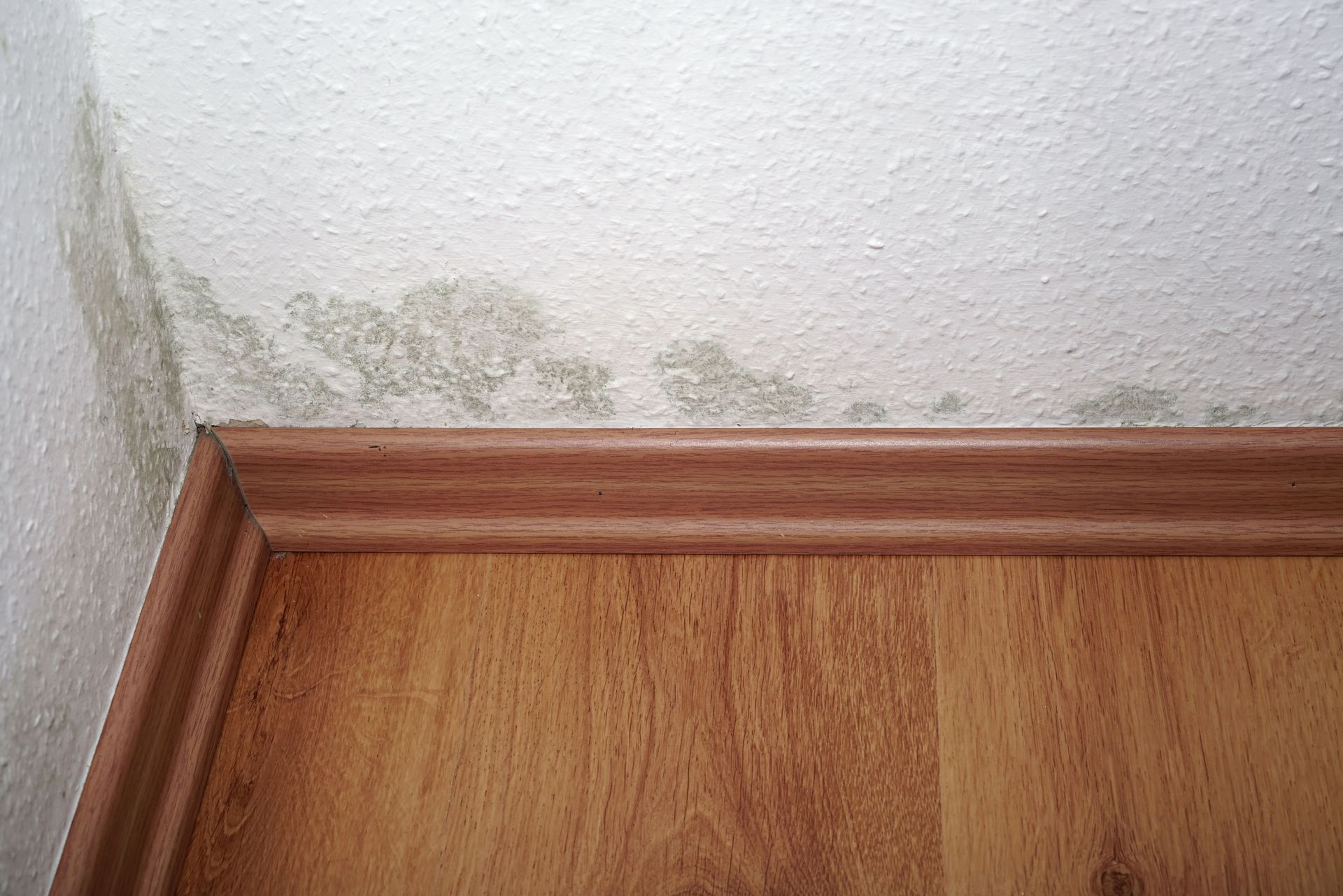
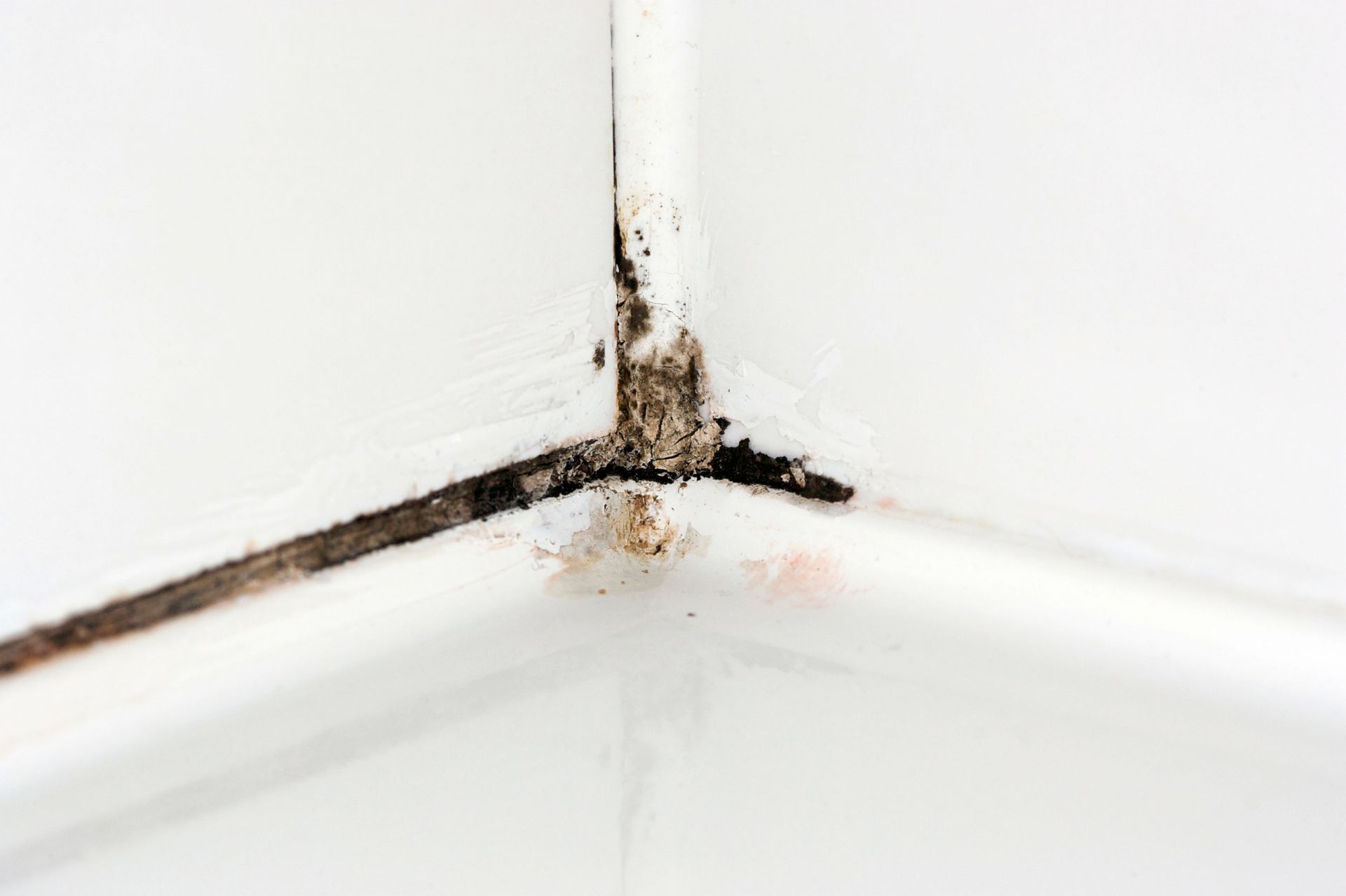
Recognizing the signs of water damage early can prevent severe consequences. Common signs include discoloration of walls or ceilings, often in yellow or brown patches. Additionally, a musty odor in certain areas typically indicates the presence of mold or mildew, a byproduct of water intrusion. Other signs include peeling paint or wallpaper, as walls soak water and lose adhesion. Flooring may also show signs like warping or buckling.
One of the less noticeable indicators may be an unexplained increase in the water bill, suggesting an underlying leak or issue. Sound anomalies like dripping or hissing within walls when fixtures are off are also telltale signs. Such symptoms require prompt investigation to prevent further damage or escalation. Proactive attention to these signs can significantly curb repair costs and mitigate severe health risks.
Being observant and conducting regular inspections ensures problems are caught early. For instance, some sources suggest checking hidden areas like under sinks or around HVAC systems for subtle signs of seepage. Furthermore, scheduled professional inspections can also uncover less apparent sources of water damage. Early detection not only saves on potential repair costs but also protects against the associated health hazards.
Immediate Consequences
When water damage occurs, its immediate effects can be wide-ranging and severe. Quickly saturating materials such as drywall and flooring, water compromises the structural integrity of buildings. Electrical components can short-circuit, posing fire hazards and increasing the risk of electric shock. Additionally, standing water provides an environment conducive to bacteria and mold growth.
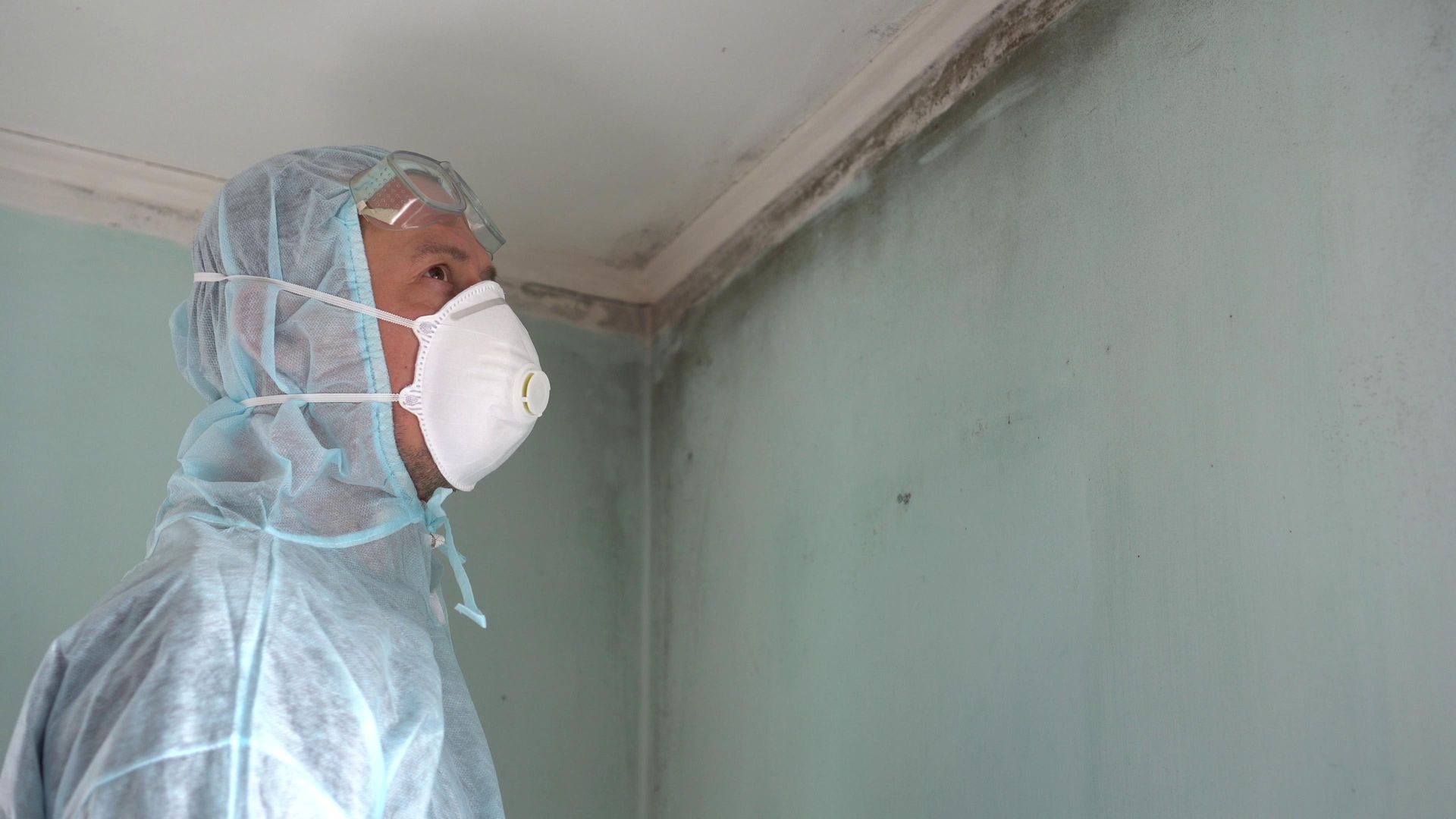
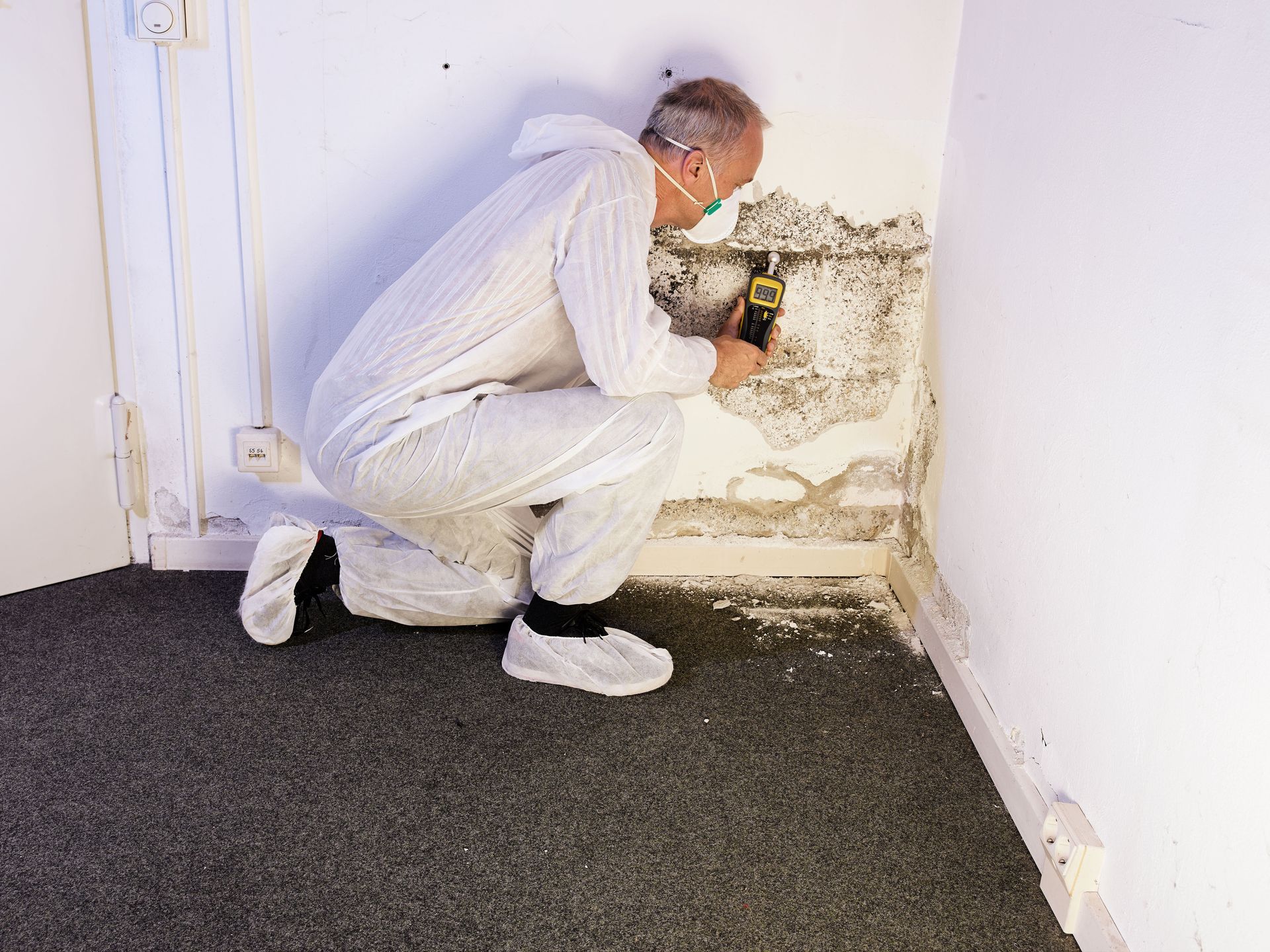
For furniture and belongings, immediate contact with water can lead to irreversible damage. Porous materials swell, warp, and lose their integrity, and upholstery quickly becomes a breeding ground for mold. Beyond material damage, the initial mold growth can pose significant health concerns. According to This Old House, the EPA recommends bringing in professional mold remediation when mold covers more than 10 square feet, is found within HVAC systems, or develops due to sewage-related flooding.
The presence of water also catalyzes unwanted interactions between water and building materials, such as rust in metals and dissolution of adhesives. Damage escalates quickly within the first 24 hours, making an immediate response essential. Prompt action such as water removal and drying can prevent more severe, irreversible damage. By prioritizing immediate remediation, the severity of water impact can be substantially mitigated.
Long-term Impacts
Unaddressed water damage can lead to severe long-term impacts on both property and health. Structurally, prolonged water exposure weakens foundations, leading to possible collapses. Wood and drywall decompose, while metals corrode, eventually compromising the building's safety. Such degradation can entail extensive and expensive repairs or renovations.
From a health perspective, persistent dampness and mold growth lead to respiratory issues and exacerbate conditions such as asthma and allergies. Mold spores, prevalent in untreated water damage areas, pose a risk to both occupants with existing conditions and healthy individuals. The financial burden of medical treatment for such health effects can add to the property's loss.
Furthermore, ongoing water damage complications can lead to insurance coverage issues. If deemed preventable by inadequate maintenance, claims might be denied, leaving homeowners with unmanageable costs. Awareness of long-term impacts underscores the importance of preventive measures. By acknowledging potential outcomes, homeowners can better prioritize maintenance and timely intervention.
Common Sources of Water Damage
Leaky or Burst Pipes
Leaky or burst pipes rank among the most common causes of water damage in residential settings. Pipe deterioration over time due to wear or faulty installation can lead to leaks. Sudden events like freezing temperatures may also cause pipes to burst, rapidly filling areas with water. Such incidents often go unnoticed, especially in hidden pipes behind walls or within ceilings.
In addition to pressing issues like flooding and structural damages, leaky pipes contribute to elevated water bills. Recovering from the aftermath involves replacing damaged materials and tackling potential mold growth. Frequent pipe inspections and upkeep prove vital in preventing such scenarios. Homeowners are encouraged to watch out for any change in water flow, strange noises, or wet spots, all indicative of potential pipe issues. Be sure to reach out to Keystone Mitigation Services today to learn more about our professional water damage services!