September 24, 2026
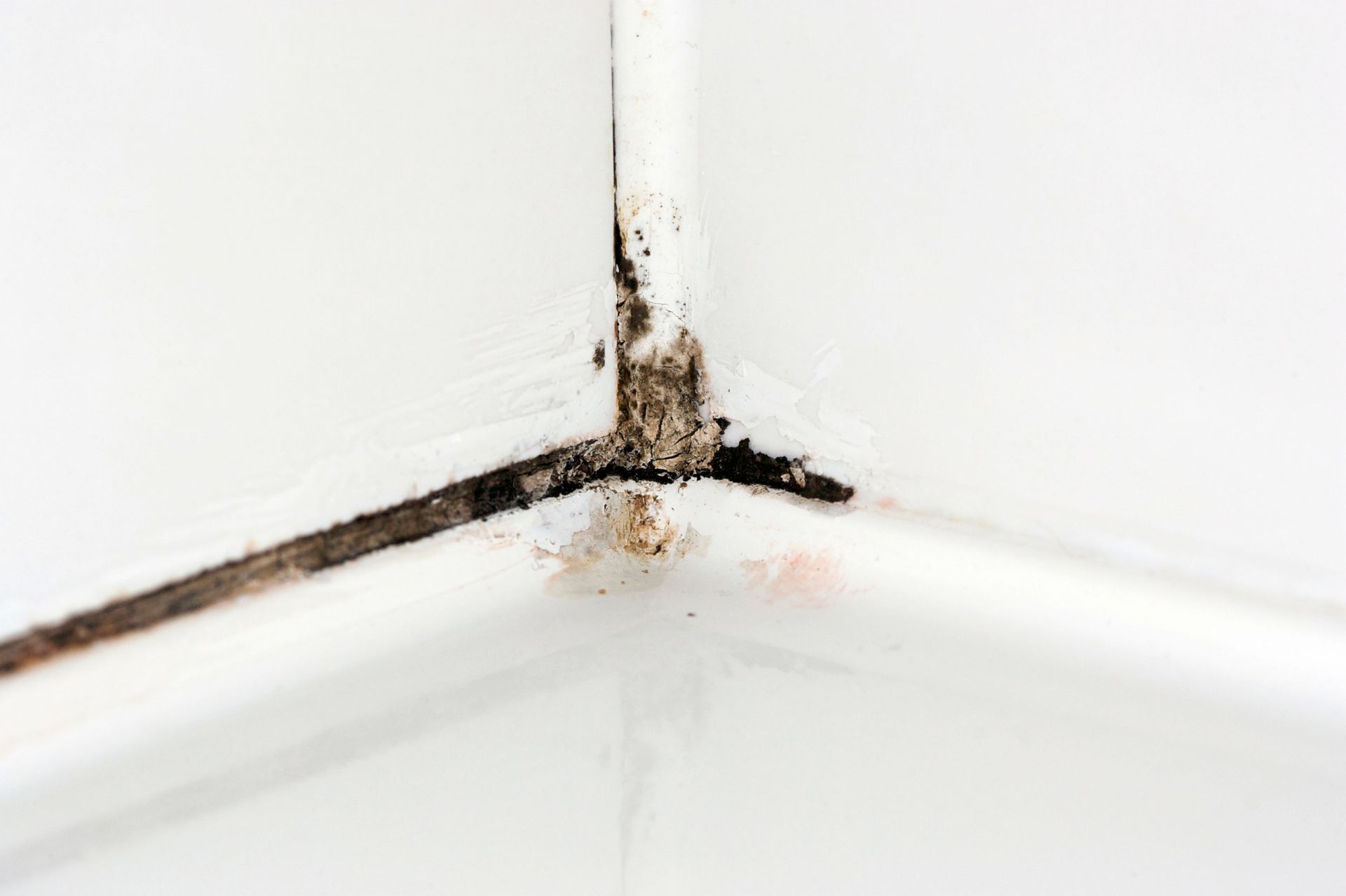
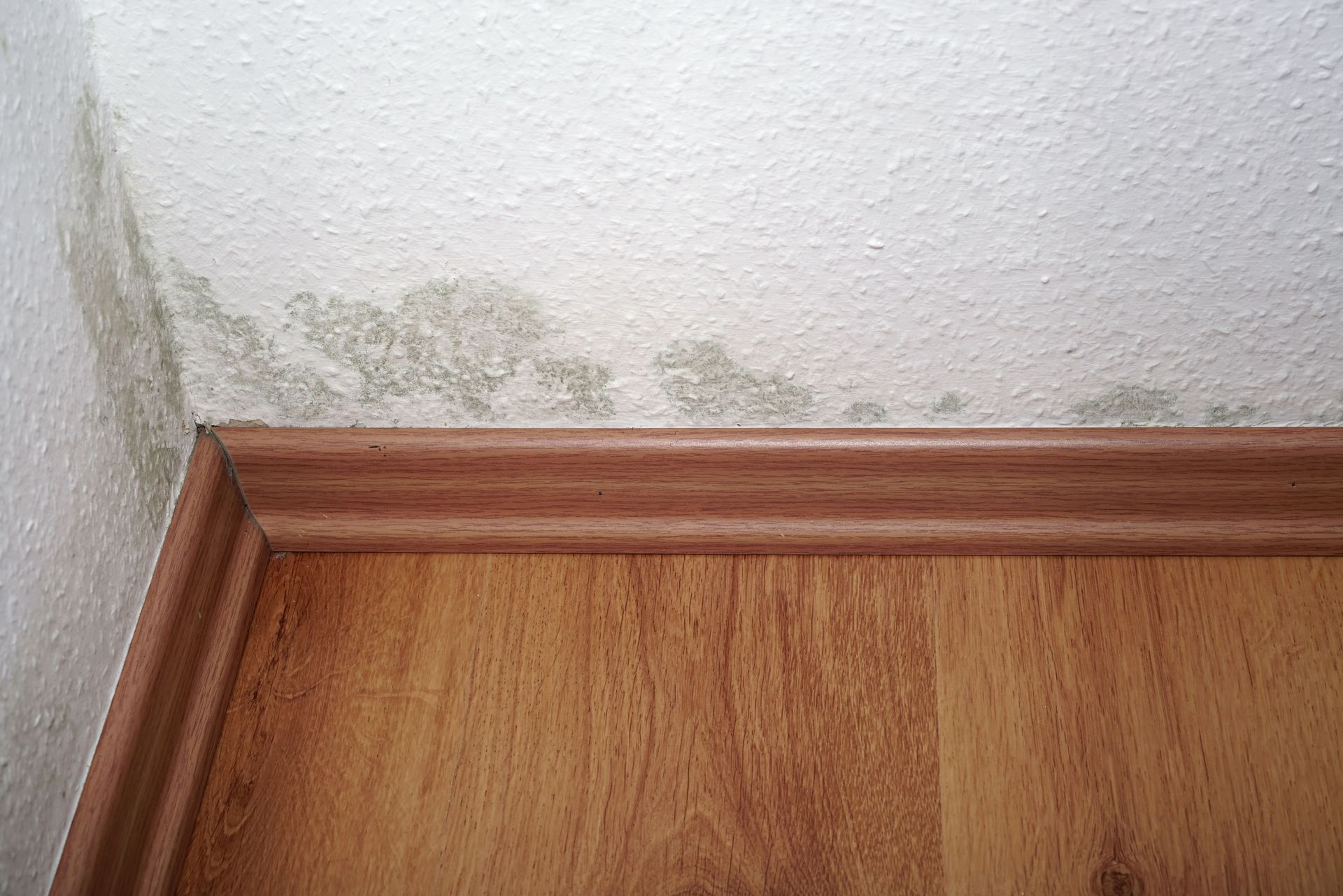
Mold is a type of fungus that naturally exists indoors and outdoors, but excessive growth inside a home can create concerns for the building and its occupants. Mold typically thrives in damp, warm environments where moisture is available. Common household varieties include Cladosporium, Penicillium, Aspergillus, and Stachybotrys chartarum, commonly called black mold. While mold serves an important ecological purpose by breaking down organic material outdoors, uncontrolled indoor growth should be addressed. Mold remediation experts understand how moisture, ventilation, building materials, and everyday habits can influence fungal growth. The following health-focused tips can help homeowners maintain cleaner indoor conditions while recognizing situations that may require professional attention.
1. Control Moisture Throughout the Home
Controlling moisture is one of the most important steps homeowners can take to discourage mold growth. Mold spores are naturally present in many environments, but they generally need sufficient moisture to begin growing on indoor surfaces. Plumbing leaks, roof damage, condensation, flooding, and excessive humidity can all create favorable conditions. Regularly inspecting the home for water problems can help identify concerns before they spread.
Pay particular attention to bathrooms, kitchens, basements, crawl spaces, laundry rooms, and other areas that regularly encounter water. Damp spots should be investigated rather than simply wiped dry if they repeatedly return. Correcting the source of moisture is a fundamental part of mold remediation because cleaning visible growth without resolving the water problem can allow it to develop again.
2. Maintain Appropriate Indoor Humidity
Humidity can contribute to fungal growth even when there is no obvious plumbing leak or standing water. Bathrooms may become humid after showers, kitchens generate moisture during cooking, and basements can retain damp air because of their location. Using exhaust fans, ventilation systems, air conditioning, or dehumidification when appropriate can help prevent excessive moisture from accumulating indoors.
Homeowners should also watch for condensation on windows, pipes, walls, or other surfaces. Persistent condensation can indicate that moisture levels or temperature differences are creating conditions that deserve attention. Improving airflow and addressing humidity can support a more comfortable indoor environment while reducing opportunities for mold to develop.
3. Pay Attention to Musty Odors
Visible growth is not the only potential indication of a mold problem. A persistent musty or earthy smell can suggest fungal growth in an area that is difficult to see. Mold can develop behind walls, underneath flooring, inside cabinets, above ceilings, and around plumbing fixtures. Ignoring unusual odors may allow hidden moisture problems to continue unnoticed.
If an odor repeatedly returns after routine cleaning, consider investigating the surrounding area for leaks, water stains, condensation, or other moisture concerns. Professionals performing mold remediation may evaluate both visible and concealed areas when determining the extent of a problem. Identifying the source is important because simply masking an odor does not correct the conditions producing it.
4. Address Water Damage Promptly
Roof leaks, burst pipes, overflowing appliances, storm damage, and other water emergencies can leave building materials damp. Quick attention is important because porous materials such as drywall, carpeting, insulation, ceiling tiles, and wood products can retain moisture. Even when a surface feels dry, water may remain trapped behind walls or underneath flooring.
After water damage occurs, homeowners should focus on stopping the water source, removing standing water, and thoroughly drying affected spaces. Areas should continue to be observed for staining, odors, warping, or discoloration after the initial cleanup. If significant fungal growth develops, professional mold remediation may be appropriate for evaluating affected materials and determining how they should be handled.
5. Improve Ventilation in Moisture-Prone Areas
Good ventilation helps move humid air out of enclosed spaces and can reduce the amount of moisture available for mold growth. Bathrooms and kitchens are particularly important because routine activities such as showering, bathing, cooking, and washing dishes release moisture into the air. Exhaust fans should vent appropriately and be maintained so they can continue functioning effectively.
Attics and crawl spaces may also require suitable ventilation based on their construction. Restricted airflow can allow moisture to remain trapped for extended periods. Homeowners should avoid assuming that opening a window will solve every ventilation issue. The appropriate strategy depends on the design of the home, climate conditions, and source of the moisture.
6. Inspect Areas That Are Easy to Overlook
Some mold problems develop in places homeowners rarely inspect. Spaces underneath sinks, behind appliances, around water heaters, inside utility closets, and near foundation walls may experience leaks without immediate detection. Moving stored items periodically and checking these locations can reveal staining, dampness, deterioration, or unusual odors before the problem becomes extensive.
Basements and crawl spaces deserve particular attention because groundwater, foundation issues, and humidity can contribute to persistent dampness. During mold remediation, professionals may examine less-visible locations to determine whether contamination extends beyond the obvious affected area. Regular household inspections can similarly help homeowners discover moisture problems earlier.
7. Avoid Simply Painting Over Visible Mold
Painting over discoloration may improve the appearance of a wall temporarily, but it does not address the reason fungal growth developed. If moisture and contaminated materials remain underneath the coating, the problem can continue. Paint may eventually peel, bubble, stain, or otherwise deteriorate as moisture affects the underlying surface.
Before refinishing an affected area, the source of water should be identified and corrected. The condition of the building material should also be evaluated to determine whether it can be cleaned or requires replacement. A cosmetic repair should generally come after the underlying moisture and contamination issues have been appropriately addressed.
8. Keep HVAC Systems and Indoor Airflow in Mind
Heating, ventilation, and air-conditioning systems play an important role in controlling temperature, humidity, and airflow throughout a home. Routine HVAC maintenance can help equipment operate effectively while giving homeowners opportunities to identify condensation, drainage, or moisture concerns around system components. Filters should also be replaced or maintained according to equipment recommendations.
Homeowners should be cautious about disturbing extensive visible fungal growth near vents or mechanical equipment. Movement of contaminated dust and debris can complicate cleanup. Depending on the location and extent of the issue, a professional assessment may help determine an appropriate response before affected materials are disturbed.
9. Understand When Professional Help May Be Appropriate
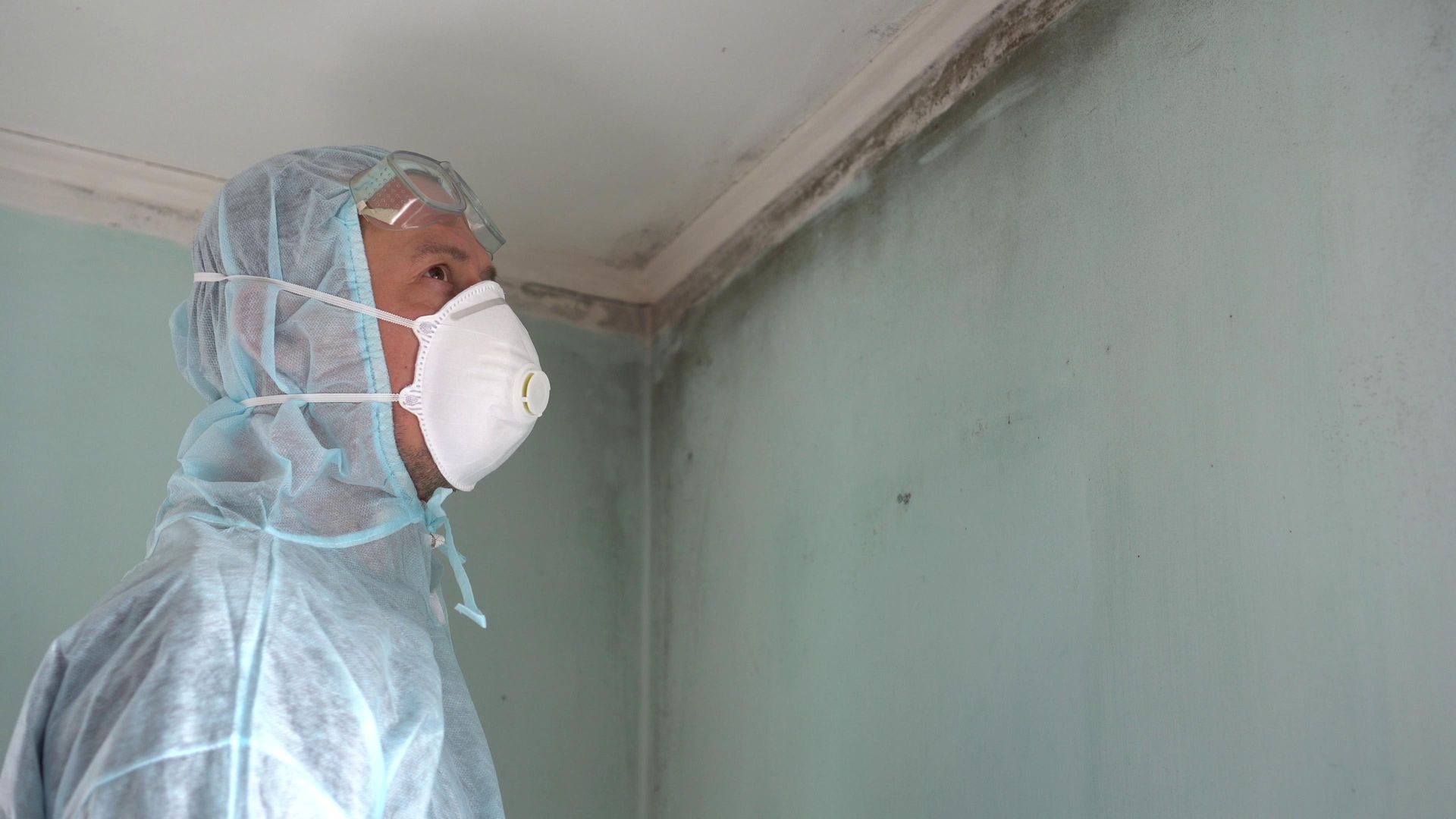
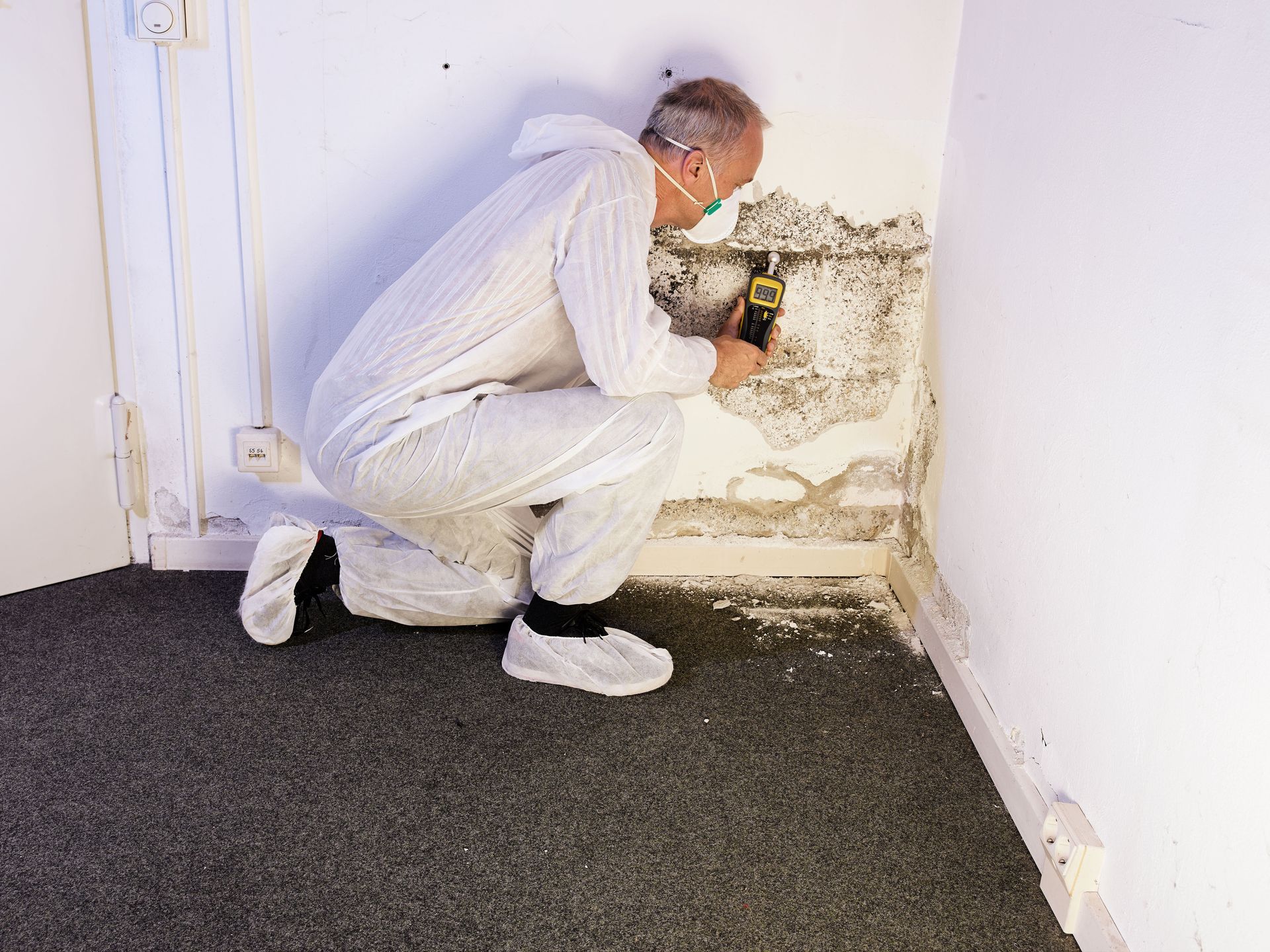
Small moisture problems can sometimes be corrected through routine household maintenance, but larger or recurring mold concerns may require professional evaluation. Extensive growth, repeated water intrusion, hidden contamination, or damage involving large amounts of porous material can make cleanup more complicated. Professionals can evaluate moisture sources, determine which materials are affected, and establish procedures for managing the work area.
A professional mold remediation process may include containment, removal of materials that cannot be adequately cleaned, management of airborne particles, and drying of affected spaces. Procedures vary according to the location, severity, and cause of the problem. Addressing both contamination and moisture provides a more comprehensive response than simply treating visible surfaces.
10. Make Mold Prevention Part of Routine Home Maintenance
Preventing mold is an ongoing responsibility rather than a one-time project. Homeowners can routinely inspect roofing, plumbing, windows, foundations, appliances, bathrooms, basements, and other areas where water may enter or collect. Gutters and downspouts should also be maintained so that rainwater moves away from vulnerable parts of the property. Small repairs completed early may prevent more significant moisture damage later.
Residents should also pay attention to changes inside the home, including new stains, persistent odors, peeling paint, warped materials, and recurring condensation. These warning signs do not automatically confirm a mold problem, but they can indicate moisture conditions that deserve investigation. When extensive growth is discovered, mold remediation can help address affected materials while identifying conditions that should be corrected to discourage future growth. Combining professional guidance with consistent moisture control and property maintenance can contribute to a cleaner and better-managed indoor environment. Contact our team at Keystone Mitigation Services today and learn more about our mold services.