October 29, 2026
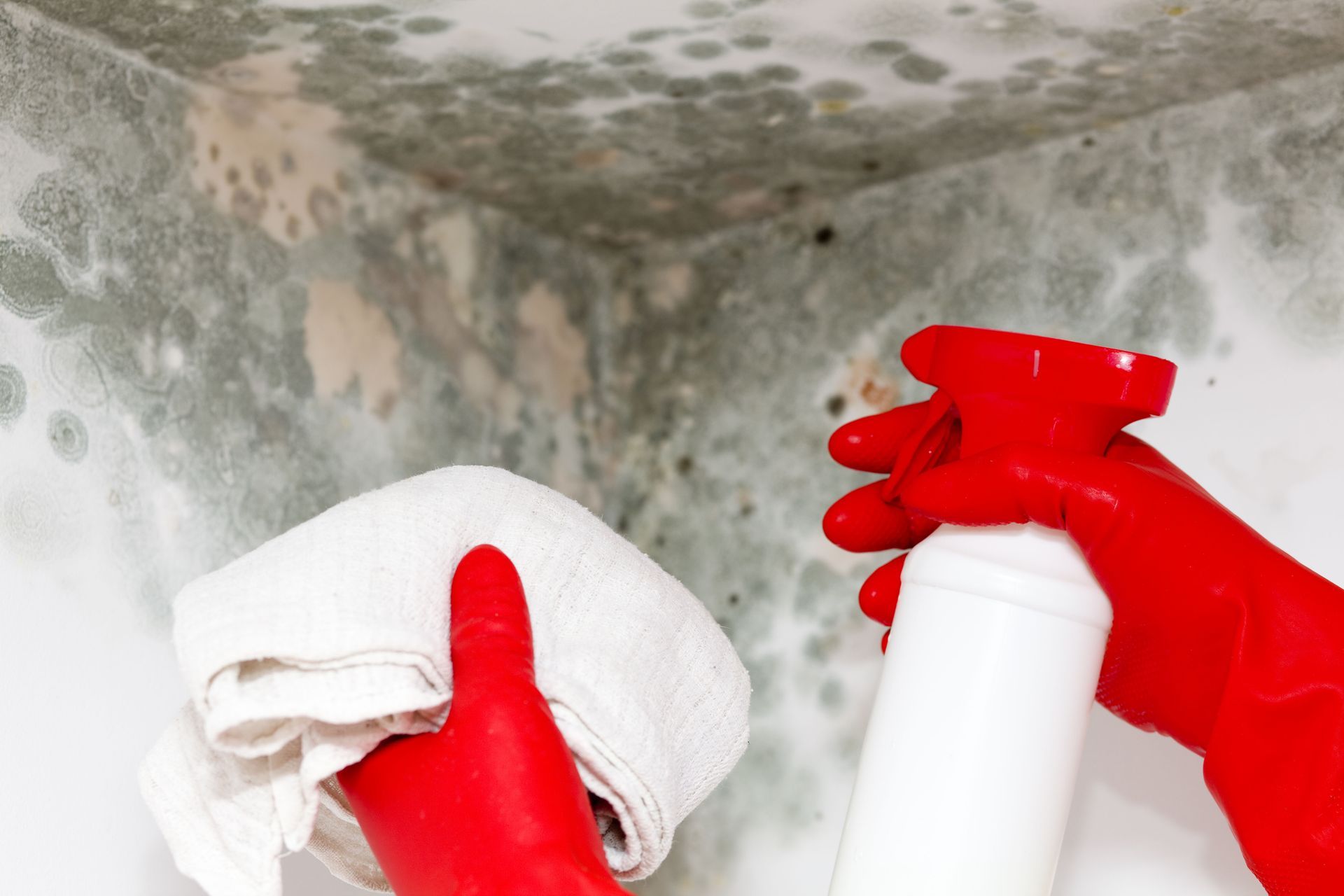
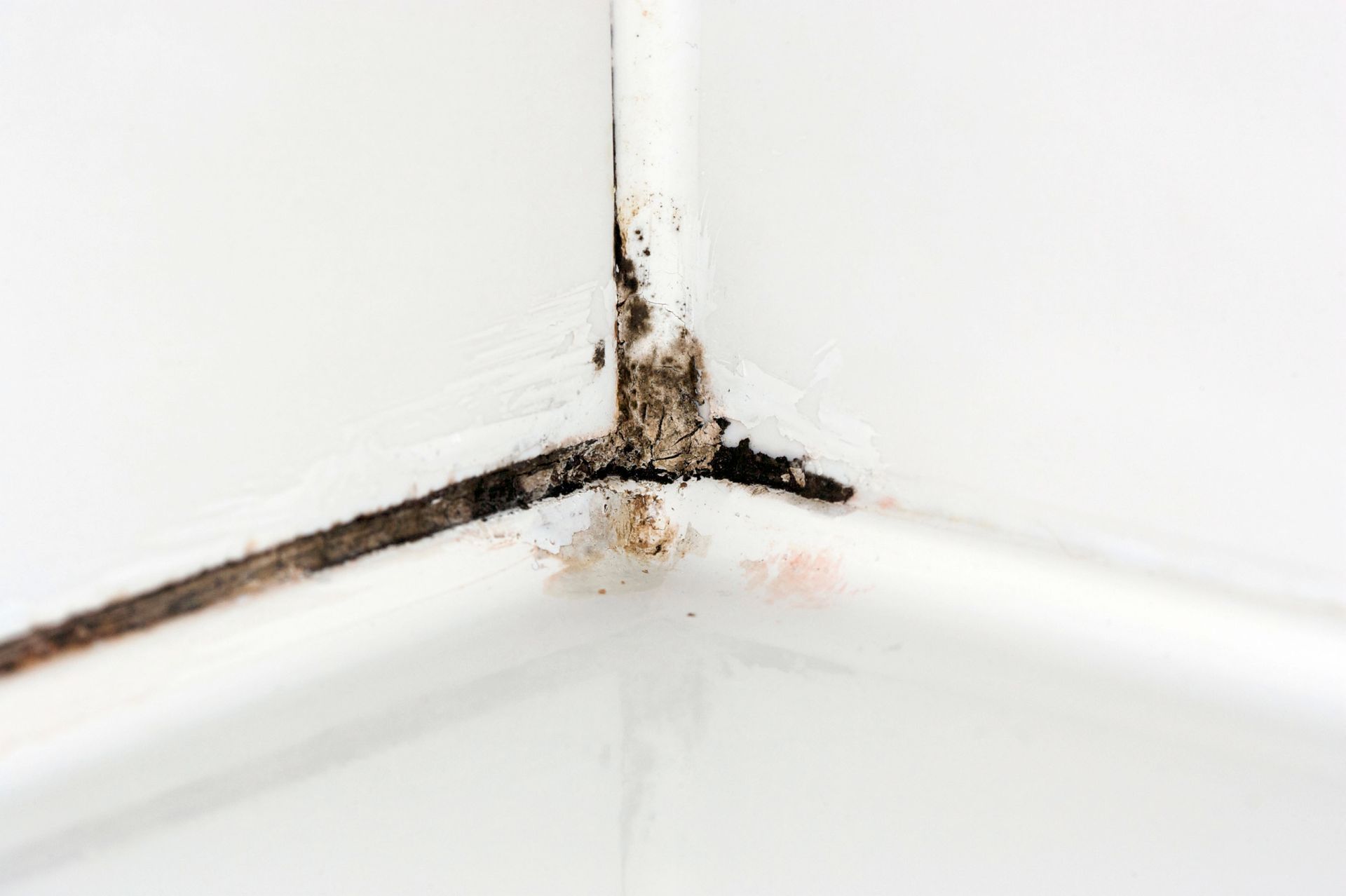
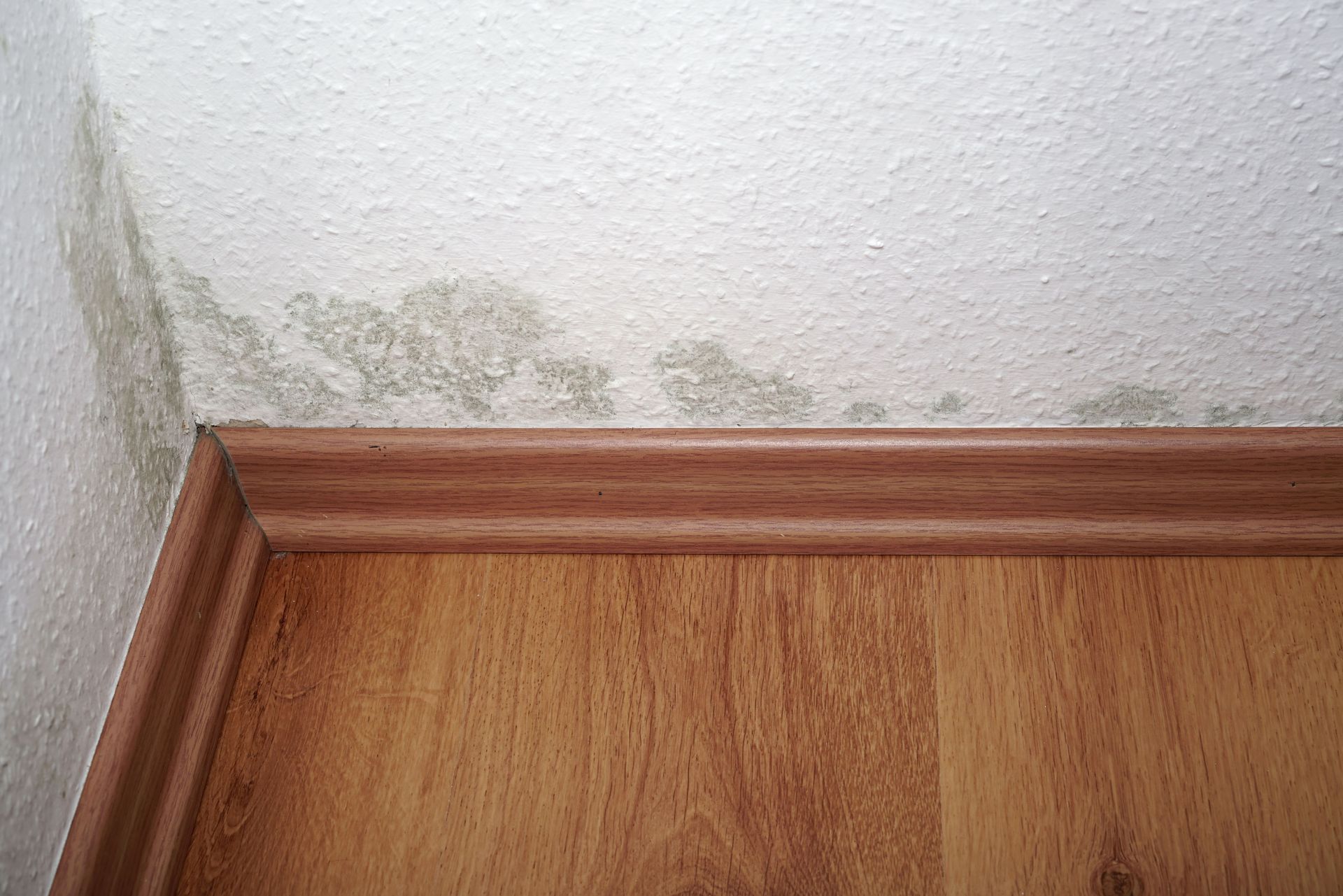
Older homes offer architectural charm, distinctive craftsmanship, and a sense of history that newer properties often lack. However, aging construction materials, outdated ventilation systems, and years of exposure to moisture can create conditions where mold develops unnoticed. While homeowners may associate mold with visible stains on walls or ceilings, hidden growth can occur in less obvious areas throughout a property.
Understanding where moisture accumulates is essential for identifying potential problems before they compromise indoor air quality or damage structural materials. Professional mold remediation involves examining vulnerable spaces, investigating moisture sources, and addressing contamination that may not be immediately apparent. In historic and aging properties, these investigations often extend far beyond ordinary living areas.
Identifying Hidden Moisture in Aging Foundations
Foundations are particularly vulnerable to moisture intrusion in older homes. Over time, settling, deteriorating waterproofing materials, and changes in surrounding soil conditions can allow groundwater to enter basements and crawl spaces. Even when water intrusion is not obvious, persistent dampness can create an environment where mold thrives.
According to Nationalmoldindex.com, a 100-year-old basement in Rhode Island faces greater susceptibility to minor water intrusion than a newly constructed home in a dry climate. This comparison illustrates how building age, geographic conditions, and construction methods influence moisture-related risks.
Professionals examining older foundations look beyond visible puddles or staining. They assess moisture patterns, deteriorating masonry, and areas where building materials remain damp. Understanding how moisture travels through aging structures helps determine whether contamination is isolated or connected to a larger problem affecting the property.
Examining Concealed Spaces Beneath Flooring
Flooring can conceal moisture damage long before homeowners notice visible changes. Hardwood planks, carpeting, and older subflooring materials may absorb moisture from plumbing leaks, groundwater intrusion, or excessive humidity. Because these surfaces often cover multiple layers of construction materials, contamination can develop beneath an otherwise normal-looking floor.
In older properties, uneven flooring, persistent musty odors, and unexplained discoloration may suggest hidden moisture. Wood can retain dampness within its fibers, while certain flooring adhesives and backing materials may deteriorate after prolonged exposure.
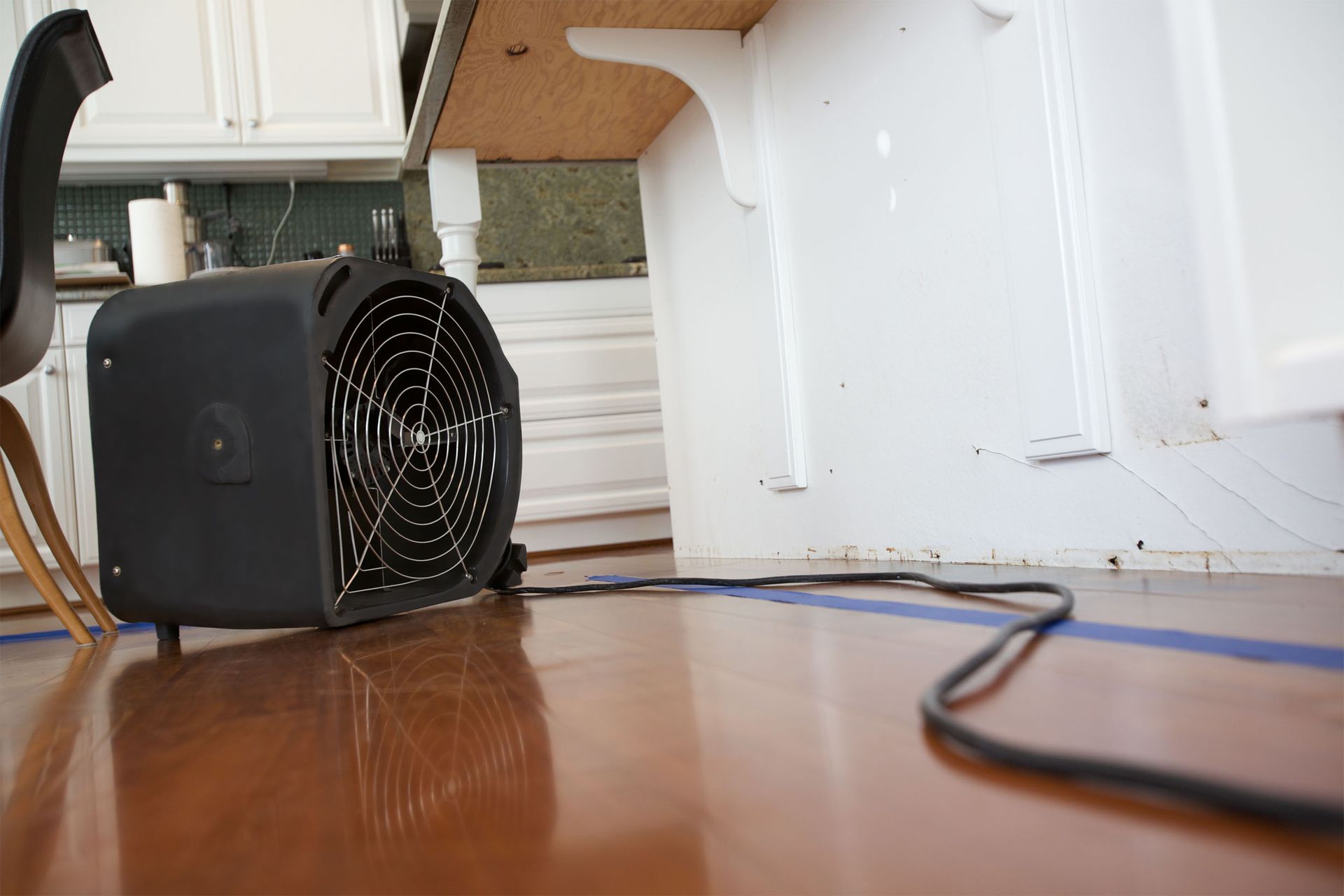
During mold remediation assessments, professionals may evaluate moisture conditions beneath flooring and investigate areas surrounding bathrooms, kitchens, and basement entrances. These locations are particularly susceptible to leaks and condensation.
Identifying the original moisture source is important because surface-level repairs may leave underlying materials vulnerable. A thorough evaluation considers how flooring systems interact with nearby plumbing, foundations, and ventilation conditions.
Investigating Overlooked Areas Inside Attics
Attics are frequently overlooked because homeowners rarely enter them. Nevertheless, these spaces experience significant temperature fluctuations that can contribute to condensation, especially when ventilation or insulation is inadequate.
Older roofs may contain deteriorating flashing, damaged shingles, or gaps around penetrations that allow rainwater to enter. Moisture can accumulate along roof decking, wooden rafters, and insulation without producing noticeable ceiling stains.
Professionals investigating attic conditions examine potential roof leaks, ventilation patterns, and moisture accumulation near structural connections. They also consider whether warm, humid indoor air is entering the attic through openings around fixtures or ductwork.
Because insulation can conceal damp materials, an attic may appear dry at a glance while underlying surfaces remain affected. Identifying these hidden conditions helps establish whether mold growth is related to roofing problems, indoor humidity, or inadequate airflow.
Evaluating Deteriorating Materials Around Windows
Windows in older houses often contain aging frames, deteriorating seals, and construction details that differ from modern moisture-resistant designs. These features can create opportunities for rainwater intrusion and condensation, particularly around wooden trim and surrounding wall assemblies.
Moisture damage may develop behind window casings or beneath interior sills without becoming immediately visible. Repeated exposure can gradually weaken wood, damage finishes, and create conditions favorable to microbial growth.
Professional mold remediation evaluations may include examining areas surrounding windows where staining, peeling paint, or unusual odors indicate persistent moisture. Inspectors consider whether the problem originates from exterior weather exposure, interior condensation, or hidden deterioration around the opening.
Window-related moisture issues can also extend into nearby flooring and framing. Understanding the relationship between these materials allows professionals to identify affected areas without assuming that visible staining represents the full extent of the damage.
Assessing Hidden Damage Behind Built-In Features
Older homes frequently contain built-in cabinets, shelving, decorative paneling, and architectural features that make interior spaces distinctive. Although these elements contribute to a property’s character, they can conceal moisture problems that remain unnoticed for extended periods.
Cabinets installed against exterior walls may restrict airflow, allowing damp conditions to persist behind wooden surfaces. Built-in storage near kitchens and bathrooms may also conceal plumbing leaks or condensation.
Professionals conducting mold remediation investigations consider these enclosed spaces when evaluating unexplained odors or moisture patterns. Particular attention may be given to cabinetry surrounding sinks, wall-mounted fixtures, and areas where wood contacts potentially damp masonry.
Because historic architectural elements may be difficult to replace, careful assessment is especially important. Determining the location and extent of moisture damage can help property owners understand which materials are affected and what restoration considerations may apply.
Inspecting Vulnerable Spaces Around Plumbing Systems
Aging plumbing systems can contribute to hidden moisture damage throughout older houses. Corroded pipes, deteriorating connections, and outdated materials may allow small leaks to continue without producing obvious signs of water damage.
These leaks frequently affect enclosed areas beneath sinks, behind fixtures, and around plumbing penetrations. Moisture may spread into surrounding wood, insulation, and flooring before becoming visible in occupied rooms.
Professionals evaluating potential contamination examine moisture patterns associated with plumbing systems and consider whether leaks have affected adjacent building materials. They may also investigate areas where pipes pass through floors or walls, since these openings can expose concealed cavities to moisture.
Effective mold remediation requires understanding whether an active plumbing problem continues to support microbial growth. Without addressing the underlying source, contamination may return even after affected surfaces receive professional treatment.
Reviewing Moisture Conditions Within Crawl Spaces
Crawl spaces are among the most moisture-sensitive areas in many older homes. Limited airflow, exposed soil, deteriorating insulation, and groundwater intrusion can contribute to consistently damp conditions beneath living spaces.
Wooden floor joists and support structures may absorb moisture from the surrounding environment. When dampness persists, these materials can become vulnerable to mold growth and deterioration.
Crawl space conditions can also influence indoor environments through openings around flooring, utility penetrations, and other connections between the foundation and occupied rooms. Musty odors originating beneath a house may therefore become noticeable elsewhere.
Professional assessments consider drainage conditions, moisture accumulation, ventilation, and the condition of structural materials. Evaluating these interconnected factors helps distinguish isolated contamination from broader moisture problems requiring coordinated restoration.
Recognizing Moisture Problems Around HVAC Components
Heating, ventilation, and air conditioning systems can influence moisture distribution throughout an older property. Aging ductwork, poorly insulated components, and improperly managed condensation may create damp conditions in spaces that homeowners cannot easily inspect.
Air handlers, condensate drainage components, and surrounding materials may be affected when moisture is not adequately controlled. Ductwork passing through humid attics or crawl spaces can also experience condensation under certain conditions.
During mold remediation investigations, professionals may examine accessible HVAC components and nearby materials for signs of moisture-related deterioration. They consider whether system conditions contribute to localized dampness or influence humidity throughout the home.
Not every discoloration inside an HVAC system indicates mold contamination. Proper evaluation is important for distinguishing suspected microbial growth from ordinary dust accumulation and identifying conditions that warrant additional investigation.
Protecting Older Homes Through Professional Evaluation
Hidden mold problems in older houses often involve interconnected moisture sources rather than isolated surface contamination. Aging foundations, concealed flooring, attic spaces, plumbing systems, and ventilation components can each contribute to conditions that allow growth to develop.
Professional evaluation provides a more complete understanding of how moisture affects vulnerable construction materials. By examining overlooked spaces and identifying contributing conditions, specialists can help homeowners make informed decisions about restoration while preserving the character and integrity of aging properties.
When unexplained odors, recurring moisture, or suspected contamination affect an older property, professional mold remediation can help identify underlying concerns and determine appropriate next steps.
At Keystone Mitigation Services, we understand the challenges associated with moisture damage in aging homes. Our team can evaluate affected areas, identify potential sources of contamination, and recommend suitable restoration solutions. Contact us to discuss your concerns and learn how we can help protect your property.